Not All Whey Is Created Equal
Walk into any supplement store and you'll see shelves lined with whey protein. But there's a meaningful difference between hydrolyzed whey, whey isolate, and whey concentrate — and knowing which one fits your goals can make a real difference in your results and digestion.
The Three Types of Whey Protein
Whey Concentrate
The most common and affordable form. Whey concentrate typically contains 70–80% protein by weight, with the remainder made up of lactose (milk sugar) and fat. It's a solid everyday protein, but slower to digest and can cause bloating in those who are lactose-sensitive.
Whey Isolate
Filtered further than concentrate, whey isolate reaches 90%+ protein by weight with most of the lactose and fat removed. It's leaner, faster-digesting, and better tolerated by most people. A strong choice for those watching calories or with mild lactose sensitivity.
Hydrolyzed Whey
Hydrolyzed whey takes isolate one step further — the protein chains are pre-broken down (hydrolyzed) into smaller peptides through an enzymatic process. This means your body absorbs it faster than any other form of whey. It's the premium option for post-workout recovery when speed of absorption matters most.
Head-to-Head Comparison
| Feature |
Concentrate |
Isolate |
Hydrolyzed |
| Protein % |
~70–80% |
~90%+ |
~90%+ |
| Absorption speed |
Moderate |
Fast |
Fastest |
| Lactose content |
Higher |
Very low |
Very low |
| Fat content |
Higher |
Low |
Low |
| Digestive comfort |
Variable |
Good |
Best |
| Cost |
Lower |
Mid |
Premium |
When Does Hydrolyzed Whey Actually Matter?
The speed advantage of hydrolyzed whey is most relevant in two scenarios:
-
Immediately post-workout: When your muscles are most receptive to amino acids, faster absorption can support quicker recovery and muscle protein synthesis.
-
Digestive sensitivity: If you experience bloating or discomfort with regular whey, hydrolyzed whey is typically the easiest on the gut.
For casual use — a shake mid-morning or before bed — the difference between isolate and hydrolyzed is less pronounced. But for serious athletes training hard and recovering harder, the upgrade is worth it.
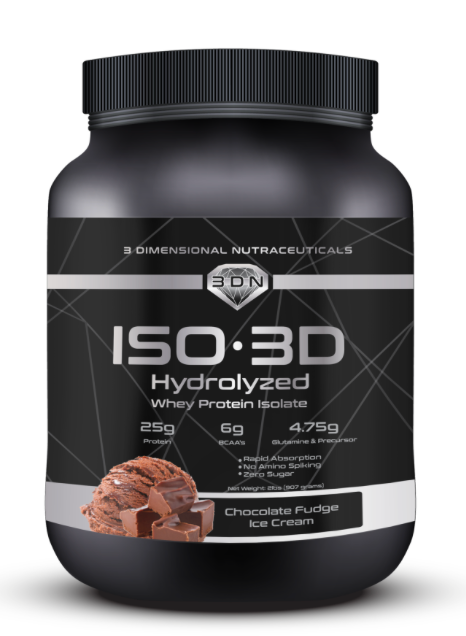
Our Pick: ISO-3D Hydrolyzed Whey Protein Isolate
ISO-3D Hydrolyzed Whey Protein Isolate combines the purity of whey isolate with the absorption speed of hydrolysis. It's a clean, high-protein formula designed for athletes who don't want to compromise on quality or recovery.
Stack it with NutraBio Creatine Monohydrate post-workout for a complete recovery combination that supports both muscle repair and strength gains.
Bottom Line
If budget is the priority, whey concentrate gets the job done. If you want a cleaner, faster option, whey isolate is the step up. And if you're serious about recovery and digestive comfort, hydrolyzed whey is the top tier — and ISO-3D delivers exactly that.